

Selecting Vegetable Seeds in Canada: Your Guide to a Thriving Garden

Growing your own vegetables is a rewarding journey, especially when you start with the right seeds. But how do you choose the best vegetable seeds in Canada? With so many options and unique climate challenges, selecting seeds that suit your environment and goals is key. Let’s explore how you can make smart choices that lead to a bountiful harvest.
Understanding Your Growing Zone and Climate
Canada’s vast landscape means diverse climates. From the mild coastal areas of British Columbia to the colder prairies and the humid east, your location plays a huge role in seed selection. Have you checked your hardiness zone lately? This is a crucial first step.
Know your hardiness zone: This tells you which plants can survive your winter temperatures.
Consider your frost dates: The last spring frost and first fall frost dates help you plan your planting schedule.
Think about daylight hours: Some vegetables need longer days to mature.
For example, root vegetables like carrots and beets thrive in cooler climates and can be planted early. Meanwhile, tomatoes and peppers prefer warmer, longer summers. Choosing seeds adapted to your zone increases your chances of success.
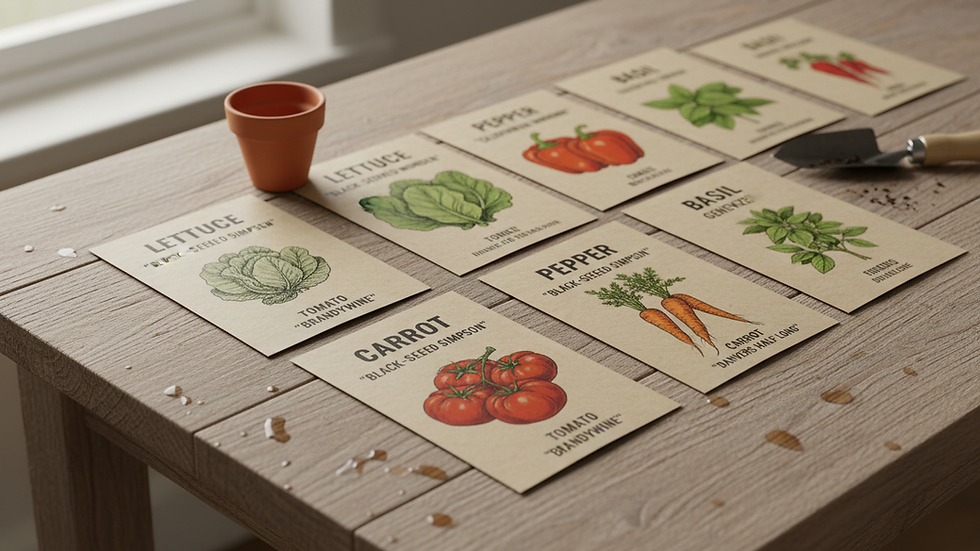
Tips for Selecting Vegetable Seeds
When selecting vegetable seeds, it’s not just about the type of vegetable but also the variety and seed quality. Here’s what to keep in mind:
Choose varieties suited for your region: Look for seeds labeled as “cold-tolerant,” “short-season,” or “disease-resistant” for Canadian climates.
Opt for open-pollinated or heirloom seeds if you want to save seeds: These varieties breed true and allow you to collect seeds for future planting.
Consider hybrid seeds for higher yields and disease resistance: Hybrids often perform better but don’t produce viable seeds for saving.
Check seed viability and freshness: Seeds lose viability over time. Fresh seeds germinate better.
Look for organic or untreated seeds: These are free from chemical coatings and better for sustainable gardening.
For instance, if you live in a northern region with a short growing season, look for fast-maturing varieties like ‘Early Girl’ tomatoes or ‘Short Top’ carrots. These will give you a harvest before the cold sets in.
How to Read Seed Packets Like a Pro
Seed packets are packed with information, but sometimes it can feel overwhelming. Here’s how to decode them:
Days to maturity: This tells you how long it takes from planting to harvest.
Planting depth and spacing: Follow these guidelines to give your plants room to grow.
Sunlight requirements: Most vegetables need full sun, but some tolerate partial shade.
Water needs: Knowing this helps you plan irrigation.
Special instructions: Some seeds need soaking, scarification, or starting indoors.
Understanding these details helps you plan your garden layout and timing. For example, if a seed packet says “start indoors 6 weeks before last frost,” you’ll know to get your seedlings going early.
Where to Find Quality Vegetable Seeds in Canada
Finding reliable sources for vegetable seeds is essential. You want seeds that are tested for Canadian conditions and come with trustworthy information. Many local seed companies specialize in varieties suited for Canadian gardens.
You can explore online seed catalogs or visit local garden centers. When shopping online, look for companies that provide detailed growing guides and customer support. This is especially helpful if you’re new to gardening or trying hydroponic systems.
One great resource is vegetable seeds canada, where you can find a curated selection of seeds tailored for Canadian growers. They also offer educational resources to help you succeed.

Rare Tips for Seed Selection You Might Not Know
Here’s something you might not have heard before: seed priming. This is a technique where seeds are pre-soaked or treated to jumpstart germination. Some seed suppliers offer primed seeds that sprout faster and more uniformly.
Another tip is to consider seed provenance - the origin of the seed stock. Seeds sourced from local or regional growers are often better adapted to your specific climate and soil conditions.
Also, don’t overlook the power of companion planting when selecting seeds. Some vegetables grow better together, improving growth and pest resistance. For example, planting basil near tomatoes can enhance flavor and deter pests.
Planning for Sustainable and Profitable Gardening
Choosing the right seeds is just the beginning. To grow sustainably and potentially turn your garden into a profitable venture, consider these steps:
Start small and expand: Test a few varieties before scaling up.
Use hydroponic or controlled environment systems: These can extend your growing season and increase yields.
Keep detailed records: Track which seeds perform best in your conditions.
Engage with local gardening communities: Sharing knowledge and seeds can boost success.
By selecting seeds thoughtfully and combining them with smart growing practices, you’re setting yourself up for a thriving garden that supports food security and sustainability.
Your Next Steps to Seed Success
Now that you know how to select vegetable seeds tailored for Canadian conditions, it’s time to take action. Start by identifying your growing zone and frost dates. Then, explore seed varieties that match your climate and goals. Don’t hesitate to try new techniques like seed priming or companion planting to boost your garden’s health.
Remember, growing your own food is a journey filled with learning and joy. With the right seeds and a bit of care, you’ll enjoy fresh, homegrown vegetables that nourish both body and soul. Happy planting!


Comments