
Microgreens: A Growing Trend in Canada with Microgreen Cultivation Tips
- Cangro Corp
- Mar 30
- 4 min read

Microgreens are tiny, vibrant, and nutrient-packed greens that have taken the culinary and health world by storm. If you’ve been curious about growing your own fresh greens or exploring sustainable food options, microgreens might just be the perfect place to start. These miniature plants are not only easy to grow but also offer a burst of flavor and nutrition that can elevate any meal. Plus, they fit perfectly into the growing movement towards local, sustainable agriculture in Canada.
Let’s dive into what makes microgreens so special, how you can cultivate them successfully, and why they are becoming a popular choice across the country.
Microgreen Cultivation Tips: Getting Started with Your Own Mini Garden
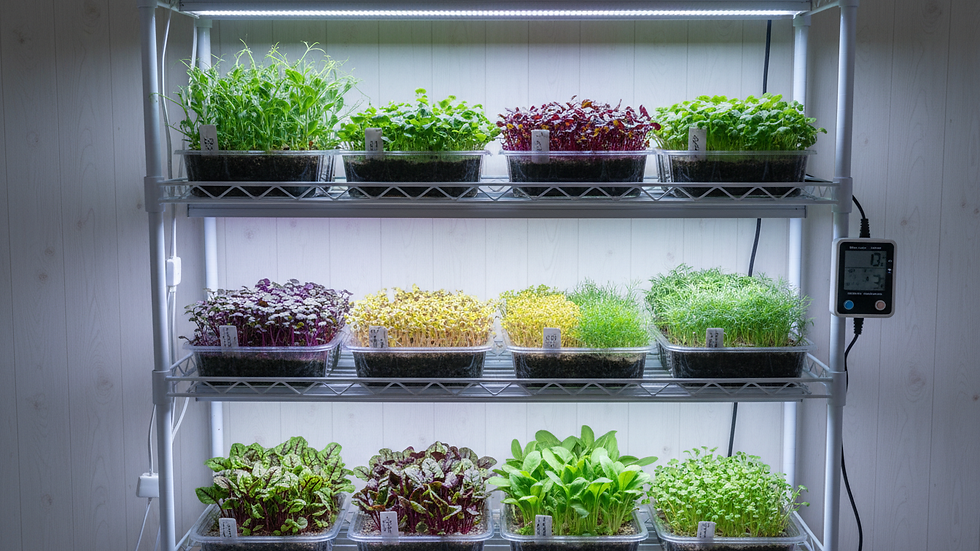
Growing microgreens is surprisingly simple, even if you don’t have a green thumb. You don’t need a big garden or fancy equipment—just a few basic supplies and some patience. Here are some practical tips to help you get started:
Choose Your Seeds Wisely
Not all seeds are created equal when it comes to microgreens. Popular choices include radish, sunflower, pea shoots, basil, and cilantro. Look for seeds labeled specifically for microgreens or organic seeds to ensure they are safe and free from chemicals.
Select the Right Growing Medium
You can grow microgreens in soil, coconut coir, or hydroponic mats. Soil is the most common and provides nutrients naturally, but hydroponic mats are great for indoor setups and reduce mess.
Use Shallow Trays
Microgreens don’t need deep containers. A shallow tray about 1-2 inches deep is perfect. Make sure it has drainage holes to prevent waterlogging.
Provide Adequate Light
Microgreens need plenty of light to grow strong and healthy. A sunny windowsill works well, or you can use LED grow lights if natural light is limited.
Keep the Environment Humid but Well-Ventilated
Cover your trays with a dome or plastic wrap to keep humidity high during germination. Once sprouts appear, remove the cover to prevent mold and allow airflow.
Water Gently and Regularly
Use a spray bottle to mist your microgreens daily. Avoid overwatering, which can cause root rot.
Harvest at the Right Time
Most microgreens are ready to harvest in 7-14 days when they have developed their first true leaves. Use scissors to snip them just above the soil line.
By following these tips, you’ll be able to enjoy fresh, homegrown microgreens in no time. Imagine adding a handful of peppery radish or sweet sunflower shoots to your salads, sandwiches, or smoothies!

Why Are Microgreens So Popular in Canada?
Canada’s climate and growing conditions have made microgreens an attractive option for many reasons. Here’s why this trend is catching on:
Short Growing Cycle: Unlike traditional vegetables that can take months, microgreens grow quickly, often ready in just 1-2 weeks. This means you can have a continuous supply of fresh greens year-round, even during harsh Canadian winters.
Space Efficiency: Urban living and limited outdoor space make microgreens ideal. You can grow them on a kitchen counter, balcony, or small indoor garden.
Nutritional Powerhouse: Microgreens pack a punch when it comes to vitamins, minerals, and antioxidants. They often contain higher nutrient levels than their mature counterparts.
Sustainability: Growing microgreens uses less water and land compared to conventional farming. This aligns with Canada’s increasing focus on sustainable agriculture and reducing food waste.
Economic Opportunity: For agri-tech entrepreneurs and educators, microgreens offer a low-cost entry into farming and food production. They can be sold fresh to local markets, restaurants, or used in educational programs to teach about food systems.
If you want to explore more about how microgreens are shaping the future of food in Canada, check out microgreens canada.
Are Microgreens Actually Healthier?
You might wonder if these tiny greens really live up to the hype. The answer is yes! Microgreens are often more nutrient-dense than their fully grown versions. Here’s why:
Concentrated Nutrients: Studies have shown that microgreens can contain up to 40 times more vitamins and antioxidants than mature leaves. For example, red cabbage microgreens have been found to have significantly higher levels of vitamin C and E.
Rich in Phytonutrients: These compounds help protect your body from diseases and support overall health. Microgreens are rich in polyphenols, carotenoids, and flavonoids.
Easy to Digest: Because they are young plants, microgreens are tender and easier on your digestive system.
Variety of Flavors and Benefits: Different microgreens offer different health benefits. For instance, sunflower microgreens are high in protein, while basil microgreens provide anti-inflammatory properties.
Incorporating microgreens into your diet is a simple way to boost your nutrient intake without drastically changing your meals. Sprinkle them on soups, blend into smoothies, or use as a garnish to add both flavor and health benefits.
How to Incorporate Microgreens into Your Daily Life
Adding microgreens to your meals is easier than you think. Here are some creative and practical ideas:
Salads and Sandwiches: Toss a handful of microgreens into your salads or layer them in sandwiches for extra crunch and flavor.
Smoothies and Juices: Blend microgreens like kale or spinach into your morning smoothie for a nutrient boost.
Garnishes: Use microgreens to decorate soups, omelets, or grilled dishes. They add a fresh, colorful touch.
Snacking: Some microgreens, like pea shoots, can be eaten raw as a healthy snack.
Cooking: Lightly sauté microgreens or add them at the end of cooking to preserve their nutrients.
By experimenting with different types and recipes, you’ll discover how versatile and delicious microgreens can be.
The Future of Microgreens in Sustainable Agriculture
Microgreens are more than just a trendy food item—they represent a shift towards sustainable, local, and accessible food production. Here’s why they matter for the future:
Combatting Food Insecurity: Microgreens can be grown indoors year-round, making fresh greens accessible even in remote or urban areas with limited farming space.
Educational Opportunities: Schools and community programs can use microgreen cultivation to teach about biology, nutrition, and sustainability.
Supporting Local Economies: Small-scale growers and entrepreneurs can create profitable businesses with minimal investment.
Reducing Environmental Impact: Microgreen farming uses less water, land, and pesticides compared to traditional agriculture.
By embracing microgreens, you’re not only improving your own health but also contributing to a more sustainable and resilient food system.
Ready to start your own microgreen journey? With just a little effort and care, you can enjoy fresh, nutritious greens all year long. Whether you’re growing for personal use, education, or business, microgreens offer a rewarding and impactful way to connect with your food and the environment. Happy growing!


Comments